This looks like a job for...
The hero was asked to provide leadership to a league of 5 other heros that needed to move from a reactionary in-house agency model to being proactively embedded within product teams. The maneuver was so successful other heros joined in under that leadership growing to 12 and then 18 heros with design and/or research super powers. In addition, our hero had to navigate some sales mistrust in order to talk to customers, but quickly proved that the team didn't have any mischief amongst its members. To keep the designers work coordinated across all the various products and projects our hero created the organization's first Design System.
Research
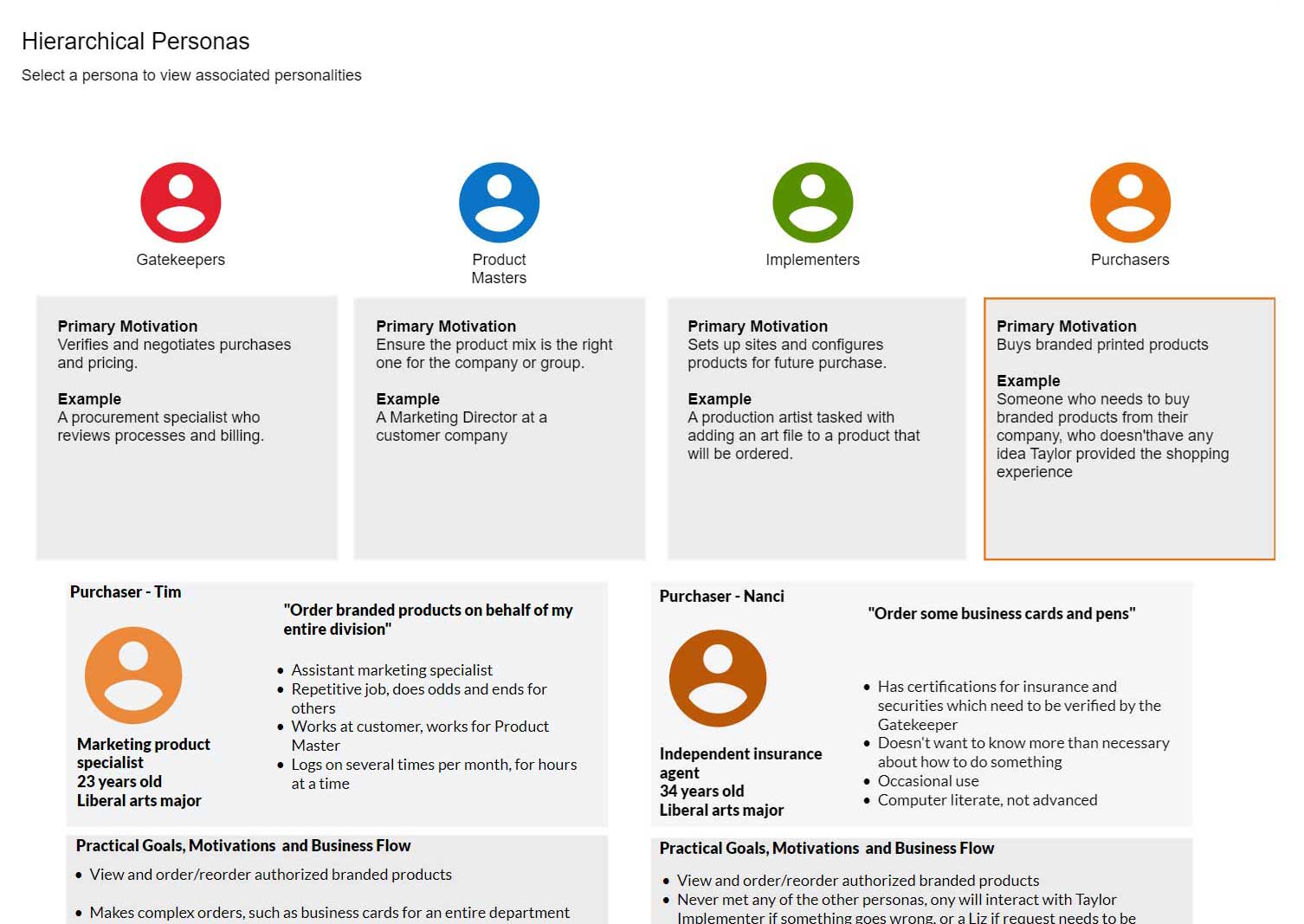
The heros were able to gather information from a few sources initially: Internal Stakeholders (sales, customer service, strategic relationship management), Industry Research, information gathered from rejected RFP's, and data analytics from a few of the platforms. Part of the research our group of heros conducted led to the formation of a complex persona/personality model.
Strategy
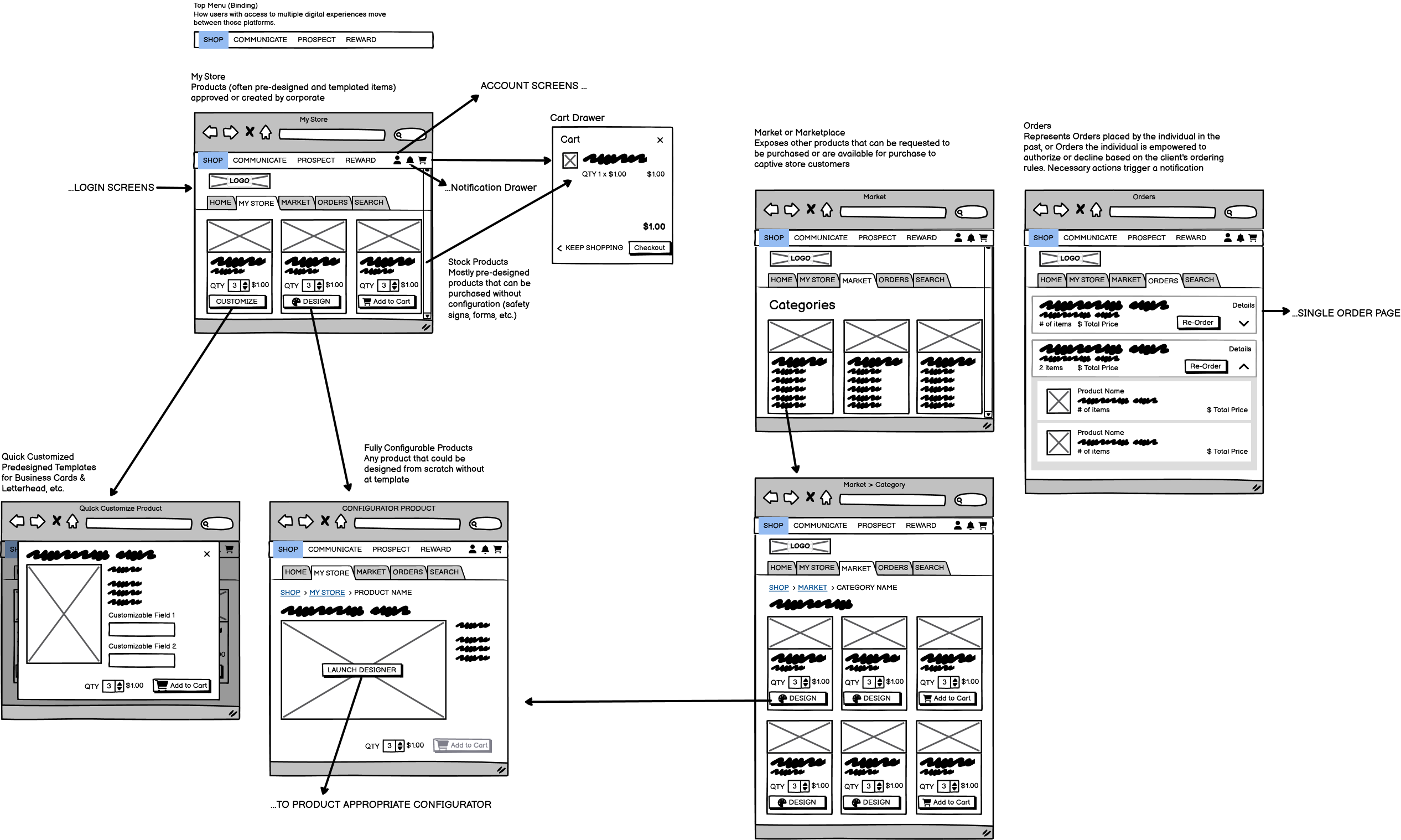
Strategy was the most used superpower on this rescue, but a couple of other key powers were critical to it's success. The first, was super strength to balance all the different capabilities across the suite of digital product offerings and consolidate them coherently for the customer while maintaining the varying business models the platform needed to support (B2B, B2B2B, B2C, B2B2C, white label, etc.). Our hero created wireframes that helped frame the critical junctures between products and customer types to frame research and guide interaction design by my team. The second was prototyping and getting customer input to consolidate all the various nearly custom solutions implemented across all the legacy platforms into a smaller, more manageable number of patterns.
Design
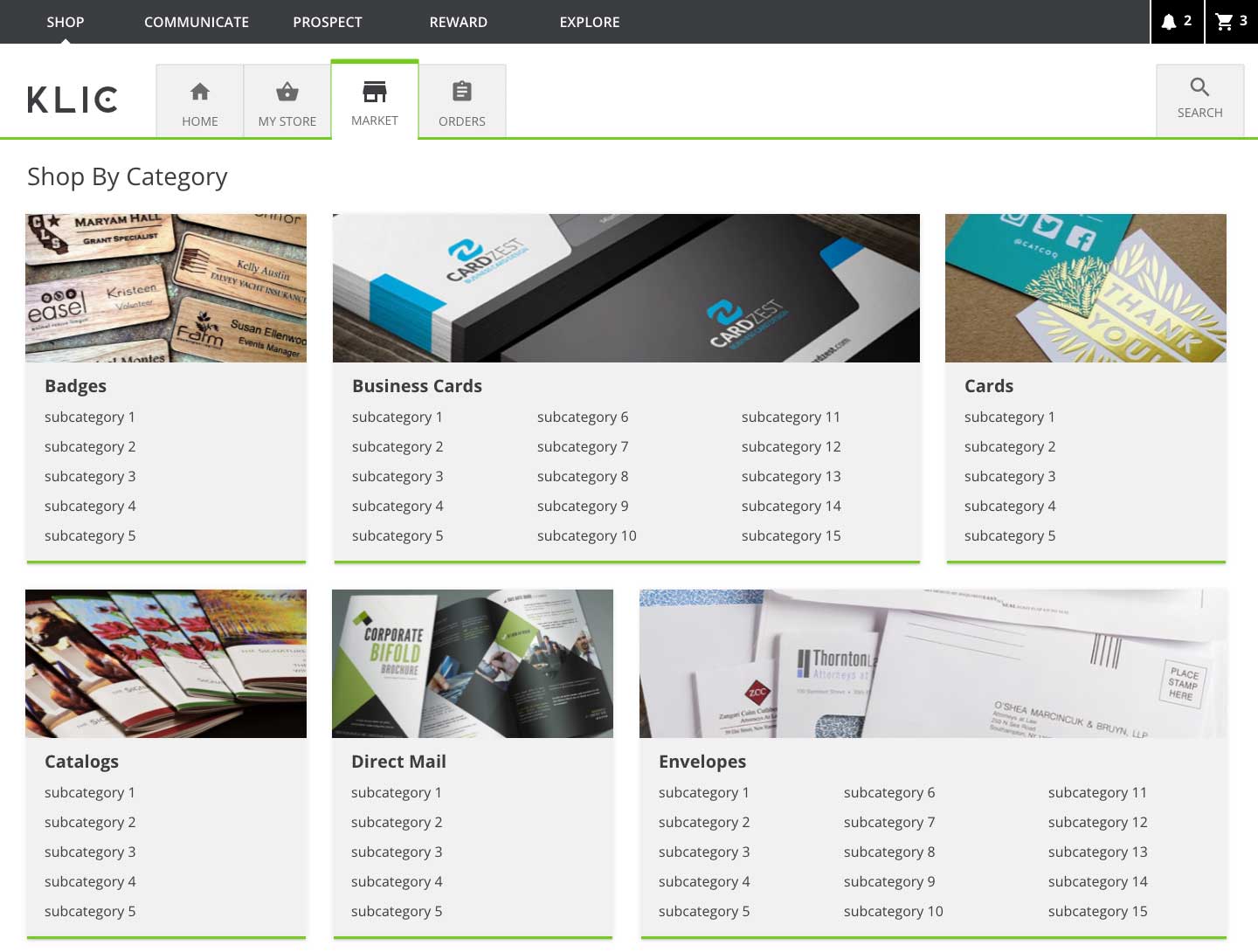
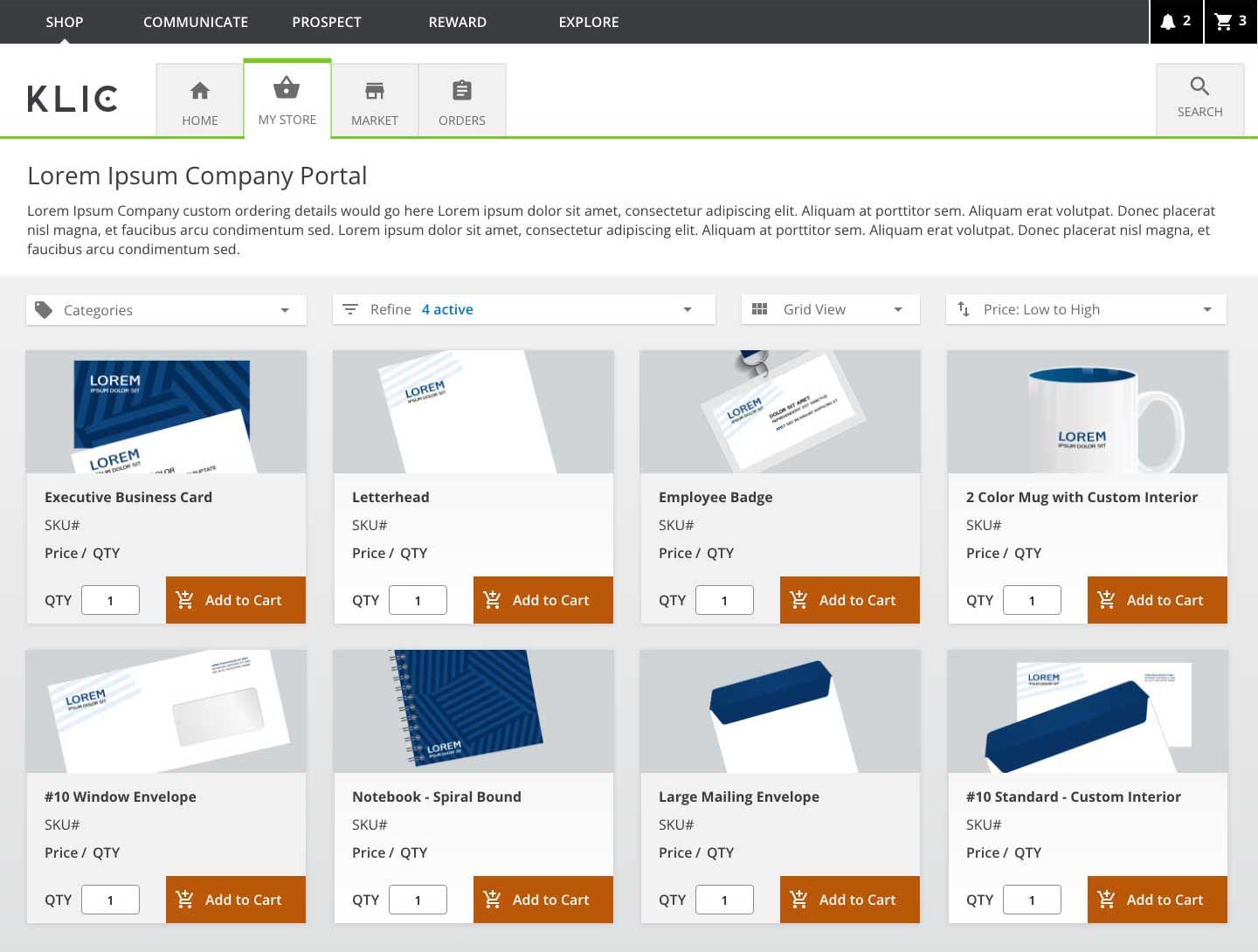
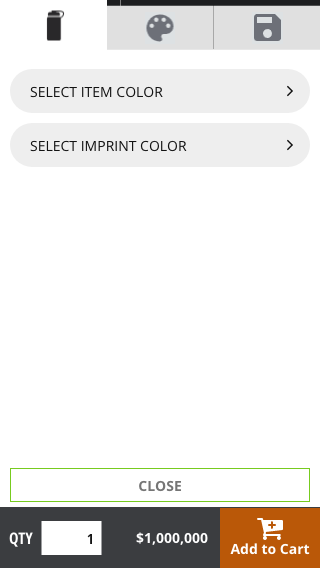
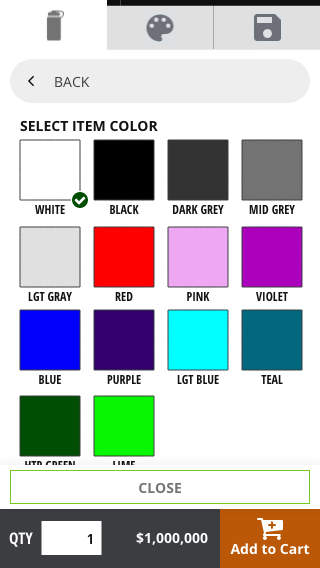
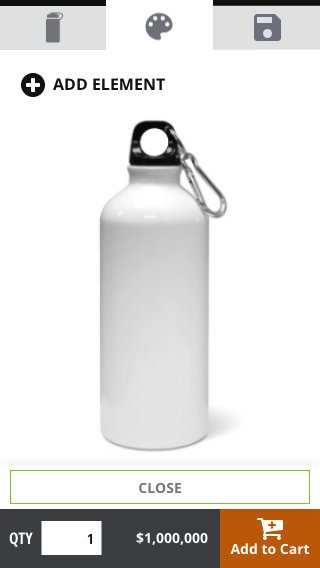
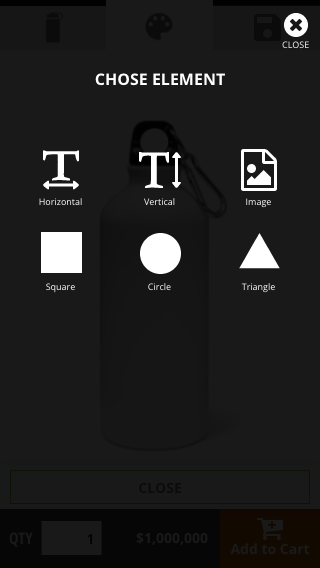
The first phases of design started out as journey maps based on the tasks required to order actual product (business card, mug, badge, etc.) then combining and refining interaction patterns as similarities were noted. I designed the initial visual wireframes and styles that would comprise the wrapper and common elements (header, footer, navigation, search, and shopping cart) as the team began to work on the large volume of complex product page types.
User Testing
The majority of screens and features were put to unmoderated testing using high-functional and high visual fidelity prototypes with users that were like our users (recruited marketing specialists, administrative assistants, etc.) from respondent.io and captured in lookback.io. Those recordings were reviewed, findings noted and adjustments to the designs made.
Outcome
The response to eCommerce elements was positive. The cleaner, better organized experience, slimmed tasks and fewer screens met with rave reviews with our beta customers. The response to the internal facing configuration screens was largely positive, with teams whose processes were the most impacted being less enthusiastic. However once those teams were exposed to an additional demo, realized how they could accomplish their tasks and identified that the new approach made the system more flexible to meet additional use cases, they moved from wary to accepting.
Due to our initial successes with the eCommerce platform, additional complex SaaS products were folded into our ecosystem, which required expanding the UX team to roughly 18 including designers and researchers. I devised the strategy to fold in these new products and provided the design for how they would work together.